Building Empathy and Resilience Through Community Medicine
My experiences working alongside a team of doctors, nurses, and other staff to operate mobile health clinics across West Philly have been as diverse, unexpected, and memorable as the community itself. We have a standing clinic at West Philadelphia High School where we see students and community members alike for health physicals, vaccinations, and acute care, but our team also holds clinics at churches, community centers, and other locations. Transitioning from college, where I spent a couple hours each week volunteering face-to-face with patients, to my NHC service term at Penn Medicine, where I spend the majority of each day talking to and helping patients, was a major change, but a change that allowed me to grow and develop the key skills of empathy, resilience, and cultural fluency.
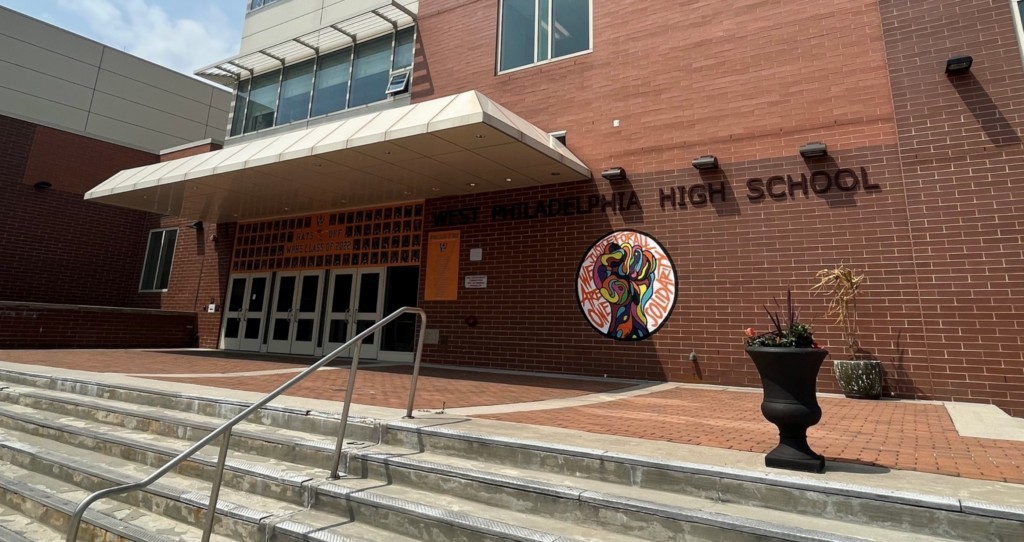
Every day, I have the chance to meet new students and community members at West Philadelphia High School (WPHS), to learn their stories and share a laugh. I learned that some students have a basketball game or dance recital coming up, some of them have eaten one or no meals that day, while others do not have health insurance or reliable means of transportation to extracurricular activities. I learned that empathy is different from sympathy or pity, and involves actually putting yourself in the shoes of someone else and is something that is shown through action, not just words. Treating those we serve with empathy and understanding their diverse experiences means exemplifying an open mind and willingness to listen and converting what you learned to action. I strive to practice and hone these skills each day through adapting my service and care to the needs of each unique patient, potentially offering a snack to a student who missed lunch or offering to go through health physical paperwork together with a student who wasn't able to fill it out at home.
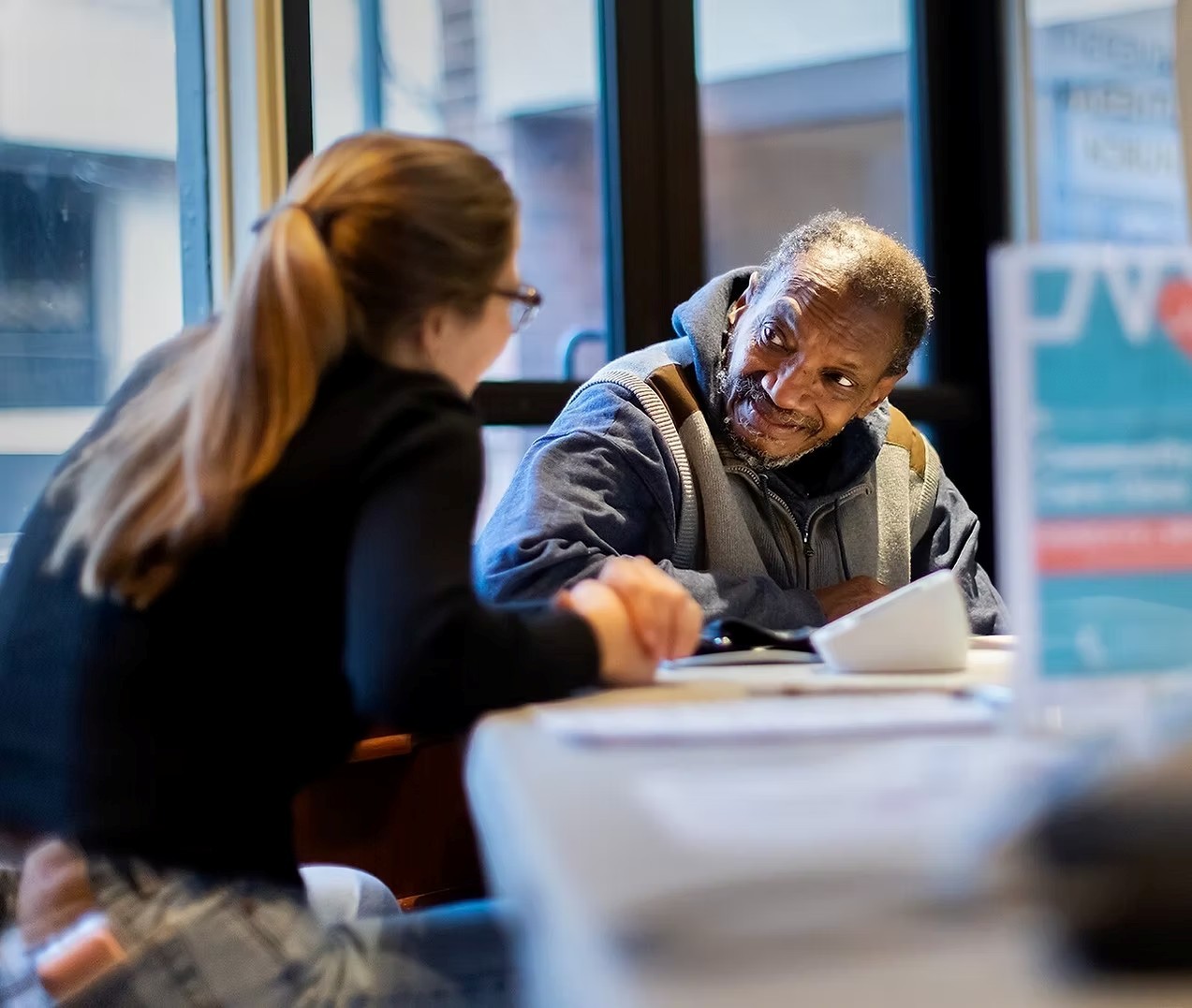
Serving in a community that faces high rates of food and housing insecurity, as well as difficult socioeconomic conditions and violence, has also helped me develop the skill of resilience, especially by working with others to overcome difficult obstacles and seeking help when needed. One of the hardest aspects of our position is treating those who have the victims of violence and who come to our WPHS clinic for care. Comforting and providing a steady hand for those who are suffering requires an unorthodox type of resilience, one that alleviates the patient’s fears and reassures them that we will give them the best care, medically and socially.
I will carry the lessons and skills I’ve developed from my term at Penn Medicine throughout my journey in service and medicine and to each new patient I meet.
About the Author