Supporting Recovery in San Francisco's Safety-Net System
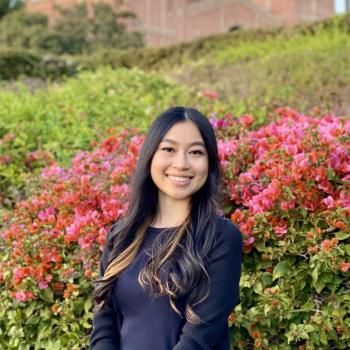
My name is Carolyn Ta, and I am currently serving as a Substance Use Navigator with the San Francisco Department of Public Health, specifically within primary care. I initially pursued this role because I wanted to take a more active approach in addressing gaps in care. In my position, I connect patients to critical resources within the city’s safety-net healthcare system through outreach and care coordination.
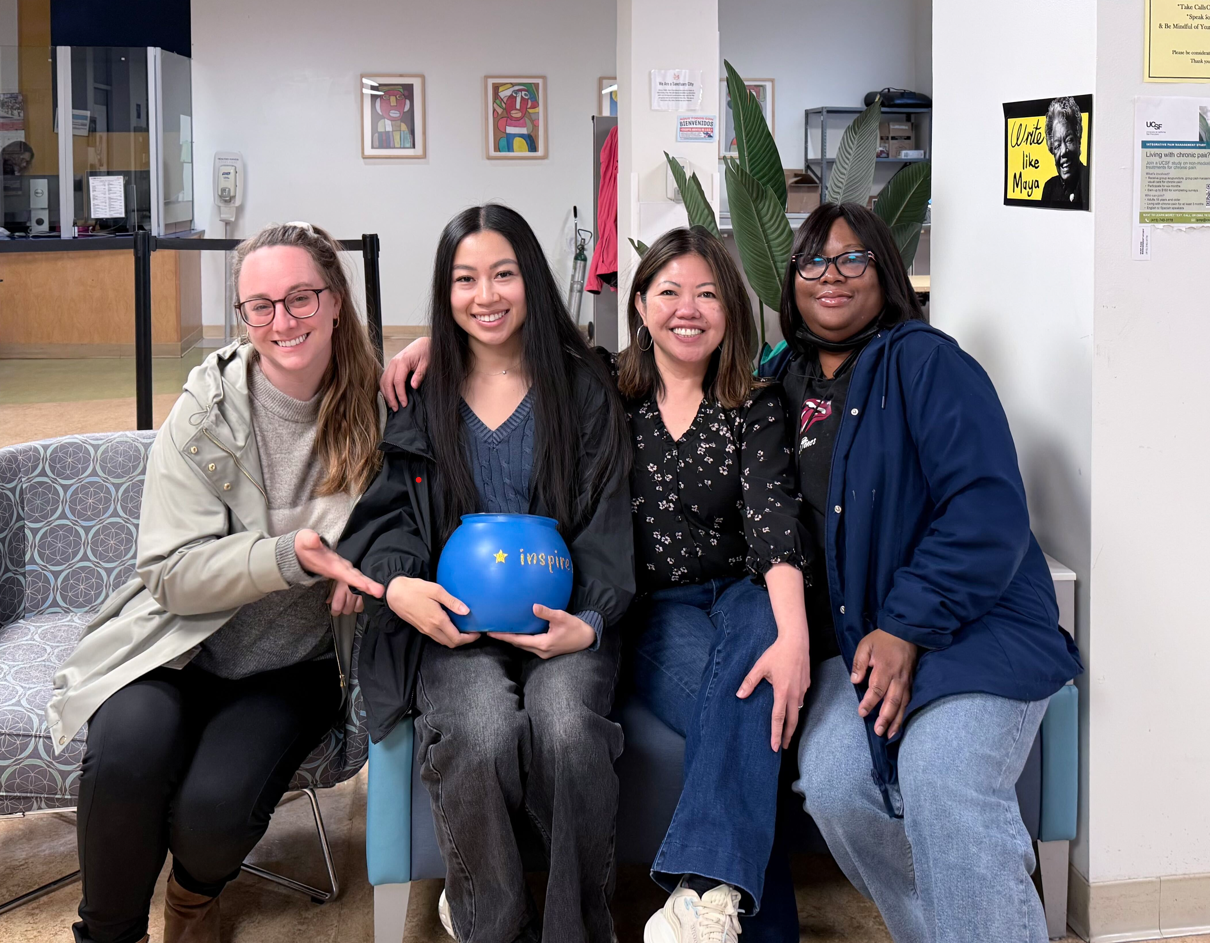
My primary project during my service term has been supporting the development and expansion of contingency management (CM) programs for patients with stimulant use disorders. CM is an evidence-based treatment rooted in operant conditioning that uses positive reinforcement to encourage desired behaviors. Stimulant use is associated with a wide range of health conditions, including heart failure and hypertension. Unlike many other substance use disorders, there are currently no FDA-approved medications for stimulant use disorder, making behavioral interventions such as CM a cornerstone of treatment. CM reinforces behaviors such as consistent treatment attendance and abstinence through a reward-based system. For example, individuals may receive incentives like gift cards in exchange for providing negative drug screens.
Despite the high prevalence of stimulant use disorder in San Francisco’s safety-net system, access to contingency management programs remains limited. This past February, our team launched a new CM program at Tom Waddell Urban Health Clinic in the Tenderloin, one of the city’s most underserved neighborhoods. As part of the program, I facilitate group sessions, where I listen to patients’ goals, address barriers such as transportation and food insecurity, and help them stay engaged in care.
Through these conversations, I have gained a deeper understanding of how difficult it can be to remain connected to healthcare when faced with constant instability. Many individuals experiencing homelessness do not have a permanent address, which makes it difficult to receive mail or communication regarding appointments and health benefits, often leading to lapses in coverage. Others lose access to care when they lose phone service or lack reliable modes of transportation. Despite these challenges, our team makes every effort to meet people where they are, including helping them reinstate health coverage, coordinating transportation, and connecting them to food, housing, and other essential resources.
My service with the National Health Corps has solidified my desire to train within safety-net health systems and strengthen my ability to advocate for patients with complex medical and social needs. Moving forward, I am eager to continue expanding healthcare access and developing community health initiatives throughout medical school and beyond.
About the Author